What to order, how to act, and why the whole experience is worth slowing down for.
Travel Magazine Editors
Travel Writer
April 8, 2026
5 min read
Recommended Travel Deals
Find great travel offers related to this story
Five Star Alliance
Vienna, Austria
🏨Hotels
The Ritz-Carlton, Vienna
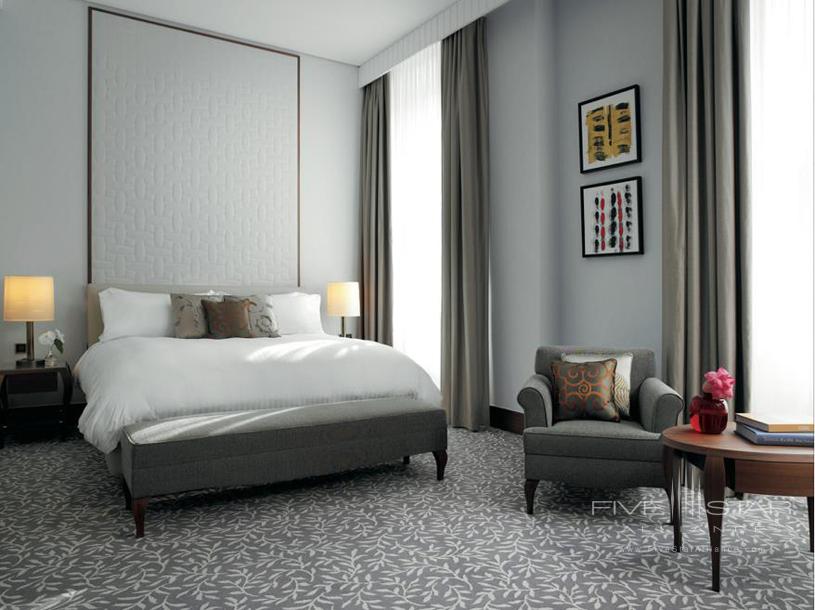
Stay in style at The Ritz-Carlton, Vienna, with elegant rooms, a rooftop bar overlooking the city lights, and a spa retreat steps from Vienna’s markets.
Most people visiting Vienna know the coffeehouses are famous. Fewer know what to actually order, what the unwritten rules are, or why locals treat a café visit as a two-hour commitment rather than a quick stop. This guide covers all of it, so you can walk in feeling informed rather than like you're figuring it out as you go.
Why Vienna's Coffee Culture Is So Special
📺YouTube📍Vienna🎬Vienna
The Coffeehouse as a Second Living Room
The defining feature of a Viennese café is not what's on the menu. It's the expectation that you stay. Order a single coffee and you can remain for as long as you like. No lingering check-ins from the server, no sense that your table is needed elsewhere. Staying for two or three hours is completely normal.
Café Frauenhuber, one of the oldest continuously operating coffeehouses in the city, makes this easy to see. The interiors feel settled rather than staged. Patrons read newspapers, catch up with friends, or sit alone without much fuss. The pace is unhurried because the space itself signals that there's no reason to rush.
A regular at work. Most Viennese coffeehouses expect nothing more from you than an order and the willingness to stay.
📍Vienna📌 Vienna Coffeehouse
This reflects a broader Viennese approach to public life, one that takes both solitude and sociability seriously. Historically, these rooms attracted writers, intellectuals, and political thinkers. The mix today is wider, but the function hasn't changed much.
What You're Actually Ordering
Knowing the terminology helps. Vienna's coffee menu is specific, and while many drinks resemble familiar espresso-based options, the distinctions are intentional.
The Melange is the most common choice: espresso combined with steamed milk and a light foam, less dense than a cappuccino and better suited to slow drinking. The Verlängerter extends espresso with hot water, similar to an Americano but typically smoother. The Einspänner arrives in a glass topped with whipped cream, a presentation originally designed to keep the coffee warm longer.
Every coffee comes with a glass of water. Vienna's supply draws from alpine springs, and the pairing is practical: it cleanses the palate and naturally slows the pace of drinking. Don't skip it.
Tradition That Keeps Moving
Vienna's historic cafés are well documented, but the culture hasn't stopped there. A newer generation of coffeehouses is working with the same principles while updating sourcing and design.
An afternoon proposal, in case all your meetings get cancelled today.
📷Instagram📍Vienna📌 Jonas Reindl
Jonas Reindl Coffee Roasters focuses on sustainability and precision. Beans are carefully selected, roasting is treated as a craft, and the space reflects a more contemporary aesthetic. But the experience still follows Viennese expectations: comfortable, unhurried, and without any pressure to wrap things up.
This tension between continuity and change is part of what keeps the culture relevant. It doesn't survive on nostalgia, and it doesn't abandon its foundations in favor of novelty.
Built-In Sustainability
Vienna's café culture also connects to a broader sensibility around not wasting things. Hut & Stiel collects used coffee grounds and repurposes them to grow edible mushrooms, which are then used in the kitchen, often in dishes like mushroom goulash.
The concept is practical rather than performative. Sustainability is folded into daily systems, not presented as a separate initiative. It fits the same underlying logic as the cafés themselves: use what you have well.
Where Old and New Meet Comfortably
Some cafés sit at the intersection of preservation and adaptation. Café Adlerhof keeps elements of its mid-century character intact, including original wallpaper and classic furniture, while its menu reflects a more current, international perspective.
This combination is very Viennese. The city maintains its historical fabric while making room for what makes it livable now. In practice, you can spend a morning in a traditional café and an afternoon in a more contemporary one without any sense of contradiction between the two.
How to Actually Do This Well
A few things worth knowing before you go.
Start your day in a café rather than treating it as a brief break. Choose one place and stay longer than you normally would. Bring something to read, or simply don't. Pay attention to the rhythm of service: present when needed, absent when not. That's intentional, not inattentive.
It's also worth looking beyond the most well-known addresses. Smaller neighborhood cafés often deliver a more consistent version of the experience, and the same principles hold across the city regardless of the setting. The famous ones are worth visiting, but they shouldn't be your only stops.
Why It's Worth the Time
For anyone used to more transactional coffee experiences, the shift can take a minute to adjust to. But once you stop waiting for the check that isn't coming, the café stops being a brief stop and becomes a central part of the day.
Spend a few hours in one, and the appeal becomes clear. Not just in what's in the cup, but in how the experience changes the shape of a day: more deliberate, less rushed, and a good deal more satisfying than squeezing in another sight between 10 and 11.


 Five Star Alliance


